


Carrie Loden
Denim-weight nerd. Knows her ounces per wear.
Wool and Cashmere Care Without the Dry-Cleaner Bill
Wool is not fragile — it is misunderstood. The wash-day rules that keep knits soft for a decade, and the three mistakes that turn a sweater into felt.
The fiber is smarter than you think
Wool and cashmere come from fibers that evolved to protect animals through weather — they self-clean to a degree cotton never will: the fibers wick moisture, resist odor, and spring back from creasing. This is why the care label's knee-jerk dry clean only is more liability protection than fiber science. Knits need washing rarely — every five to ten wears — and what they need in between is air, space, and a cheap tool almost nobody owns.
Tool one: the sweater comb
Pills are not a quality verdict; they are short fibers working loose and tangling at friction points (underarms, where a bag strap crosses, the fold of a sleeve). A sweater comb or fabric shaver, run lightly over the surface every few wears, removes them in two minutes and restores the knit's original finish. This single habit is the difference between a cashmere that looks new in year three and one that looks martyred in month nine. Combing is maintenance, not repair — do it before the pills recruit their friends.
Between washes: air and fold
- Hang knits for 30 minutes after wearing — wool releases wrinkles and odors on its own when given air.
- Store folded, never hung. A hanger stretches shoulders into points no comb can fix. Fold along the side seams, not across.
- Rotate wears. Wool recovers its shape during rest; the same sweater two days running does not.
- Repel, don't attrack: cedar blocks in the drawer deal with moths without perfuming the knit.
Wash day: the hand-wash that isn't scary
Cold water, wool-safe detergent (or a drop of baby shampoo), five minutes, no agitation beyond a gentle squeeze. Fill a basin, submerge the knit, press it under, let it sit. Agitation, heat, and detergent are the three ingredients of felt — remove all three and wool washes as tamely as a t-shirt. Never wring: press the water out against the basin wall, then roll the knit in a towel and step on the roll. Lay it flat on a dry towel, nudge it back into shape with your hands, and let it dry away from radiators and sunlight. Overnight to a day, depending on thickness.
The three felonies
- The machine with default settings — heat plus agitation plus a heavy spin cycle equals felt, permanently, at any price point.
- Hanging wet or dry — wet wool weighs triple and stretches to shapeless on the hanger.
- The dryer — there is no version of this that ends well for a protein fiber.
Machine washing, if you must
Some knits genuinely tolerate a machine: check the label for the words machine washable or wool cycle, then use cold water, the wool or hand-wash cycle, a mesh bag, and a spin no higher than 800. Remove promptly, reshape, dry flat as above. A superwash-treated wool survives this indefinitely; a non-superwash wool gambles every time.
Stains and the dry-cleaner's actual job
Spot-clean stains the day they happen: cold water and wool detergent worked in with a cloth, from the outside of the stain inward. Reserve dry-cleaning for oil-based disasters, structured tailoring, and the once-a-season refresh of coats — the solvent is hard on fibers and harder on softness, and a knit's lifespan is measured in wash cycles avoided.
The one rule
Wash rarely, comb regularly, fold always. Treat wool like the self-maintaining fiber it is, and a good knit outlasts a decade of care labels commanding the opposite.
As Worn in This Note
Shop the Look
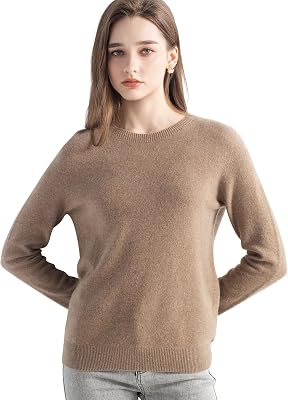
Chanyarn
Chanyarn Women's 100% Merino Wool Crewneck Pullover Sweater Fall Winter Warm Soft Long Sleeve Seamless Knit

ebossy
Women's Cable Knit Long Sleeve Open Front Cardigan Sheep V-Neck Button Down Embroidery Wool Blend Sweater Coat Outwear
As an Amazon Associate, we earn from qualifying purchases.
Price and availability are subject to change on the retailer's site.