

Liam Walker
Fit-and-fabric nerd. I read the size chart so you don't have to.
The Only Fit Guide Women Need
Forget sizes — they lie. Four measurements and the shoulder-waist-hem check that makes online clothes actually fit. Plus how fabric changes everything.
Sizes lie, measurements do not
A "medium" in one brand is a small in another and a large in a third, and the vanity-sizing arms race has made the tag on the garment nearly useless information. What does not lie: your body, and a soft measuring tape. Thirty seconds with one upgrades every purchase you will ever make.
Measure once, screenshot forever
Four numbers: bust (fullest point, tape level), waist (narrowest point, don't inhale), hips (fullest point), and inseam (crotch to where you want the hem). Keep them in your phone notes. Every size chart on every product page is suddenly a solvable equation instead of a guess.
Reading a size chart without being fooled
Charts list garment measurements or body measurements — check which, because the difference is ease, and ease is fit. A garment chart two to four centimeters above your body numbers is standard ease; zero means the item fits like a second skin; eight-plus is deliberate oversized and you should size accordingly. When reviews say "runs small," they usually mean the chart was optimistic about ease.
The three-point mirror check
On the body, any garment passes or fails at three points. Shoulders: seam at the bone (on sleeveless: strap edge sitting where your shoulder turns). Waist: the garment's waist where yours is — a waistband riding three centimeters off your natural waist creates a muffin effect no amount of sizing down fixes. Hem: where the garment ends decides your leg line — trousers graze the shoe, midis break at mid-calf, and anything awkwardly at the ankle bone is the unflattering zone.
Fabric changes the size that fits you
Same numbers, different fabric, different size needed — this is the online-order trap nobody mentions. Stretchy knits (two to five percent elastane) fit a range and forgive between sizes; ponte and interlock hold structure and run generous; woven cotton with no give runs true but punishes rounding down; pleated and drapey poly crepes flow over rather than fit to. Read the fabric content before the size chart, not after.
The alteration math
Taking in a side seam or hemming trousers costs a fraction of any garment and converts a near-miss into a perfect fit. The rule: buy for the largest measurement that must fit (bust, usually; hips for bottoms) and tailor down the rest. A twenty-dollar piece with a ten-dollar hem beats a fifty-dollar piece that almost fits — this is how capsule wardrobes actually look expensive.
Fit is self-knowledge
The payoff of thirty seconds with a tape measure is bigger than any purchase: you stop returning packages, stop ordering two sizes hoping one works, and stop owning clothes that were almost right. Measure tonight, screenshot, and every size chart you meet from now on answers to you instead of the other way around.
As Worn in This Note
Shop the Look
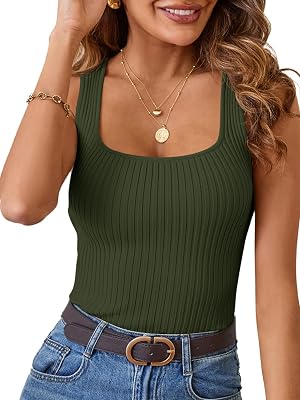 -22%
MEROKEETY
MEROKEETY Women's Ribbed Knit Square Neck Basic Tank Top
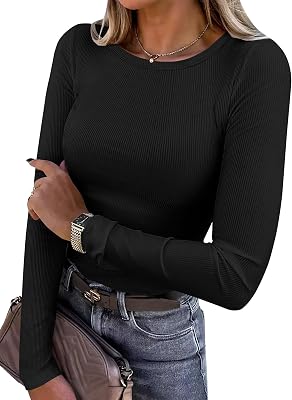 -60%
ANRABESS
ANRABESS Women Long Sleeve Shirts Ribbed Fitted Tops
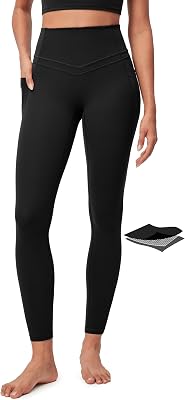 -27%
IUGA
IUGA Compression Leggings with Pockets for Women Tummy Control Yoga Pants
As an Amazon Associate, we earn from qualifying purchases.
Price and availability are subject to change on the retailer's site.