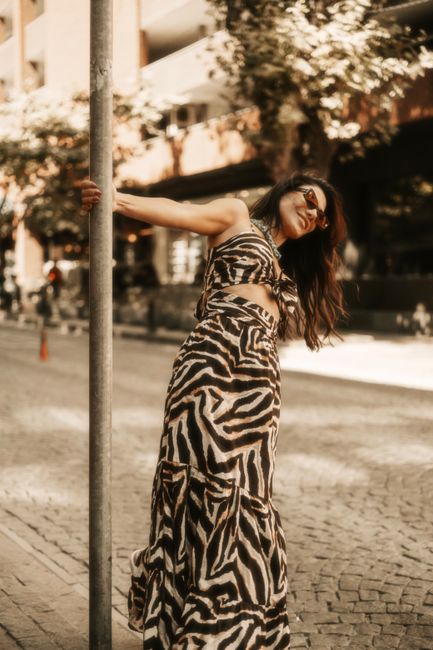

Marisol Reyes
Color-theory school dropout. Wears the rainbow anyway.
Print on Print: Wearing Two Graphics at Once
Two prints, one outfit — the highest-risk move in casual dressing, made systematic. Shared colors, opposite scales, and the three escape hatches when it goes wrong.
The move nobody attempts
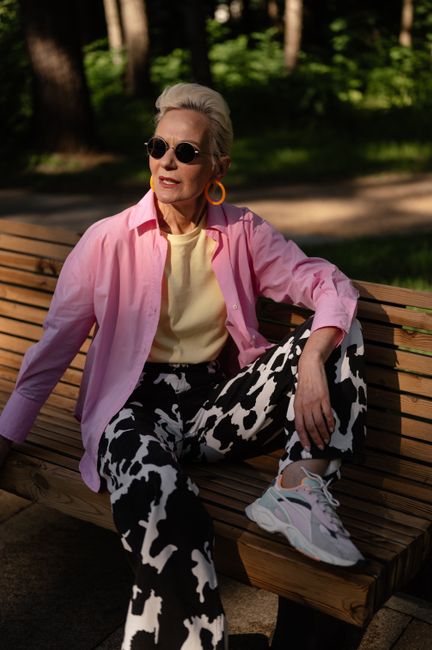
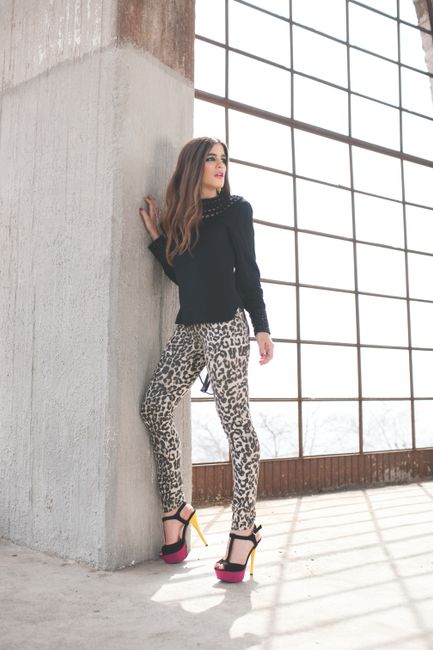
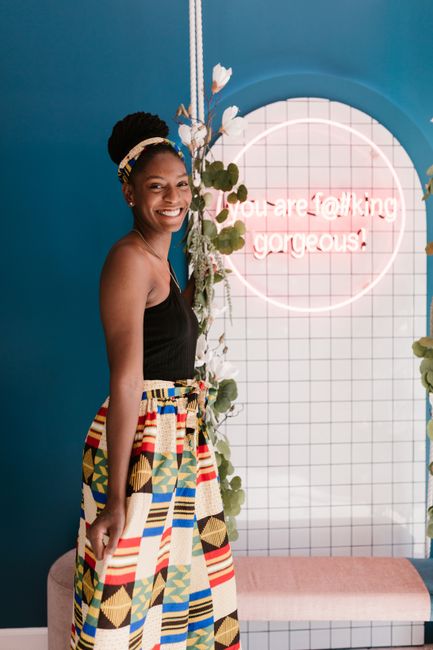
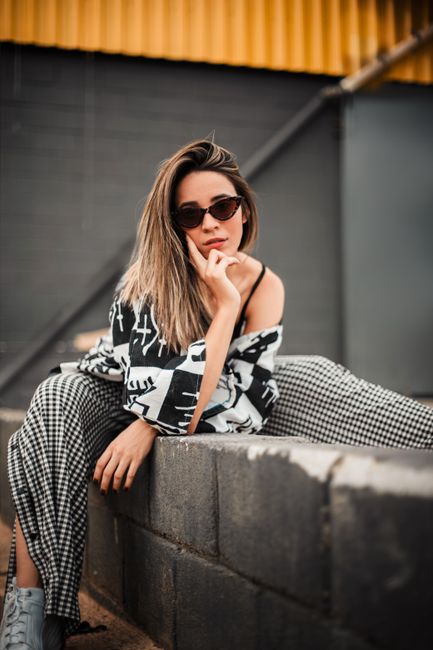
Print-on-print is the final boss of casual dressing: everyone owns printed tees and printed bottoms, almost nobody wears them together, and the failures are public. But the rule set is small and learnable — color does the matching, scale does the separating, and confidence does the rest. When it works, it looks effortless in a way a plain tee never will.
Rule one: the prints must share a color
This is the non-negotiable. A graphic tee and a plaid trouser belong in the same outfit only if the tee's ink color appears in the plaid, or both sit on the same base family. Shared color is what makes the eye read one outfit instead of two arguments. No shared thread, no outfit.
Rule two: opposite scales
- One big, one small — always. A large chest graphic with a fine stripe or micro-check bottom; a dense printed trouser with a small pocket mark or medium emblem up top. Two large prints fight for the same job; two tiny prints read as texture noise.
- The 70/30 split. The bigger print should sit on roughly the larger visual area — usually the tee — with the quieter print supporting. Swap it and the outfit inverts into costume.
Rule three: base-color discipline
Both garments' base — the fabric under the print — should sit in the same family: white-based prints together, cream with cream, black with black. A white-ground tee over a black-ground floral is two different lighting environments stitched at the waist.
The escape hatches
- Bridge with a solid: an open solid overshirt between the two prints breaks the collision and reads as intentional layering.
- Drop to accessories: if the two prints argue, demote the bottom print to a scarf or cap and return the trousers to solid.
- Go tonal: the same print in two tones of one color is the training-wheels version — mismatched on purpose, matched by hue.
The one rule
Shared color, opposite scales, same base family — get those three right and the prints stop competing and start collaborating; get one wrong and no amount of confidence saves the photo.
As Worn in This Note
Shop the Look
The Mountain
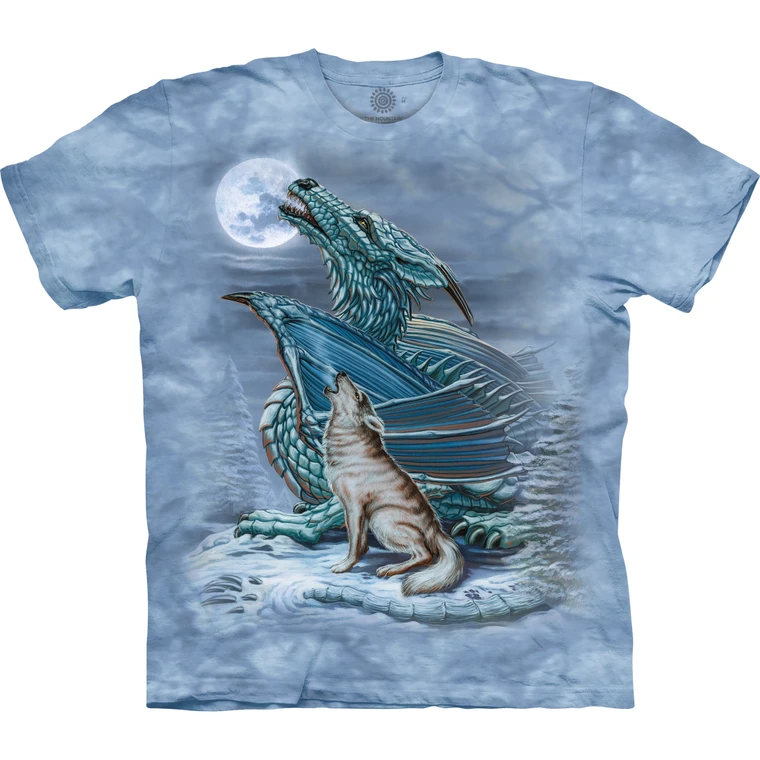
The Mountain Dragon Wolf Moon Adult T-Shirt, Blue
ZESICA
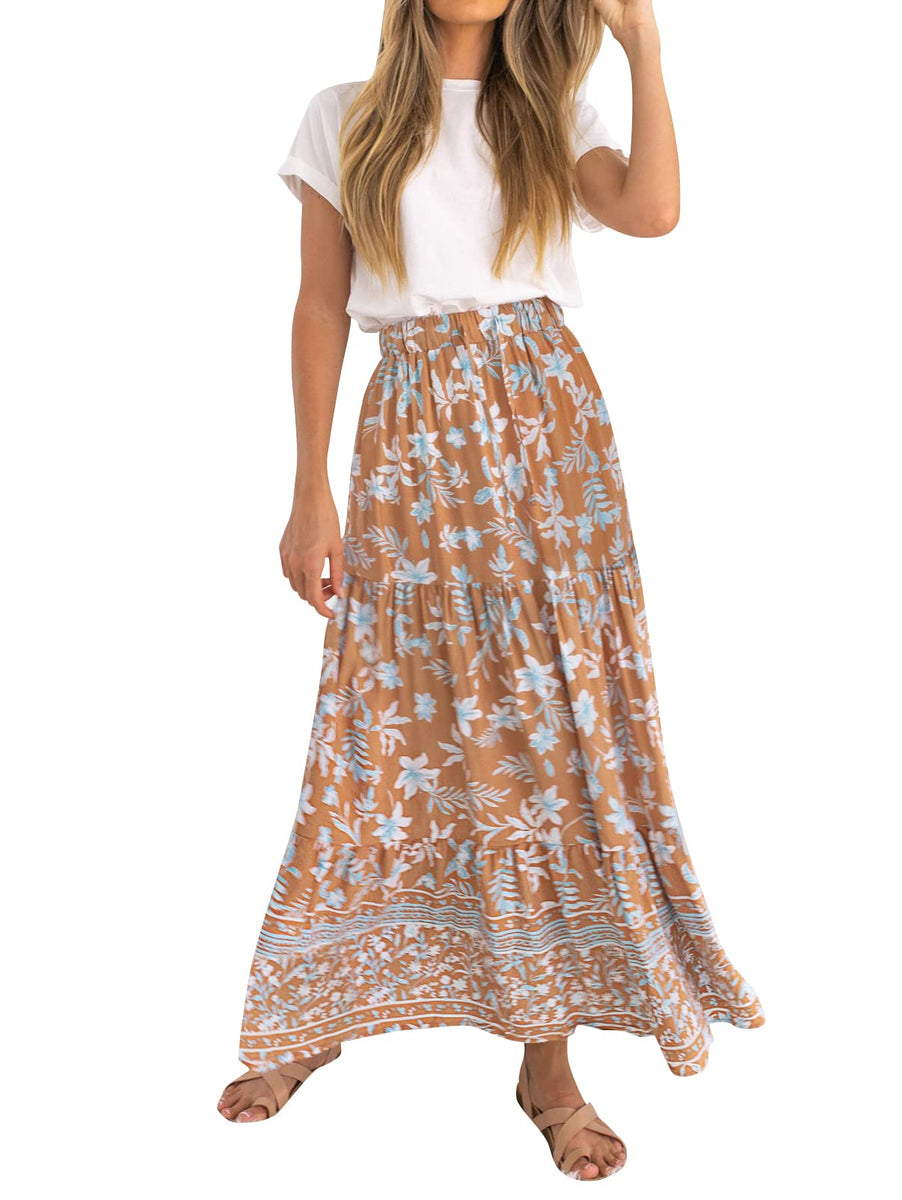
ZESICA Women's Bohemian Floral Elastic Waist A Line Skirt/Maxi Skirt with Pockets
As an Amazon Associate, we earn from qualifying purchases.
Price and availability are subject to change on the retailer's site.
More Like This

One Print, Five Cities: Graphic Tees That Travel Well
 Emiko Tanabe
Real Vintage or Modern Repro? The Faded-Print Test
 Dusty Merritt

Indie Artist Tees: Small Studios, Big Prints
 Linnea Holt

Graphic Tees After Dark: The Evening Print
 Talia Mendes
Western Graphic Tees: Rodeo Prints, City-Broken
 Andre Beaumont
Plus-Size Graphic Tees: Print Scale and Drape, Solved
 Davina Cross