

Barry Kwan
Husky-fit historian. From husky boys' racks to proper menswear.
Petite, Proportioned: The Style Rules That Actually Change How You Look
Being 5'4" and under is a proportion problem, not a size problem. Three rules — raise the waist, crop the top, keep one long line — plus what to avoid, and how to measure before you buy.
Proportion, not size
Petite is a length specification, not a weight class: it means a shorter torso-to-leg ratio, a higher knee line, and less distance between natural waist and hip. Regular-length clothing is cut for a longer frame, which is why it does not fail by fitting tightly — it fails by fitting long: hems pooling at the ankle, jacket hems dropping past the hip, waistlines landing somewhere south of the waist. The fix is never "size down." It is learning where the lines are supposed to sit, then choosing pieces that put them there.
Rule 1 — Raise the waist
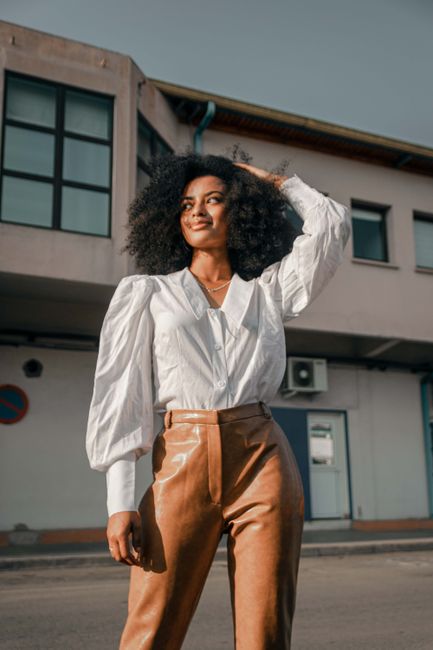
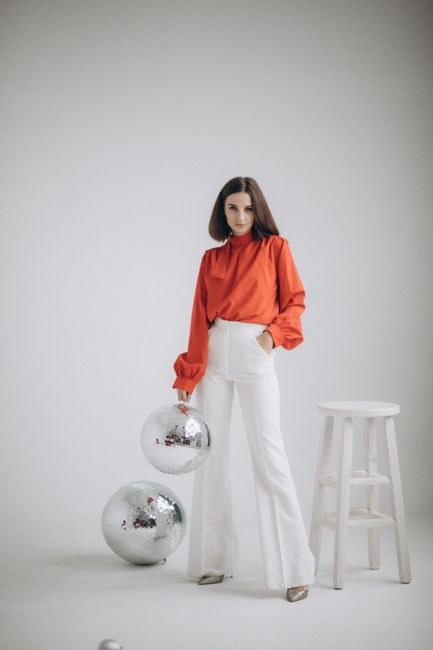
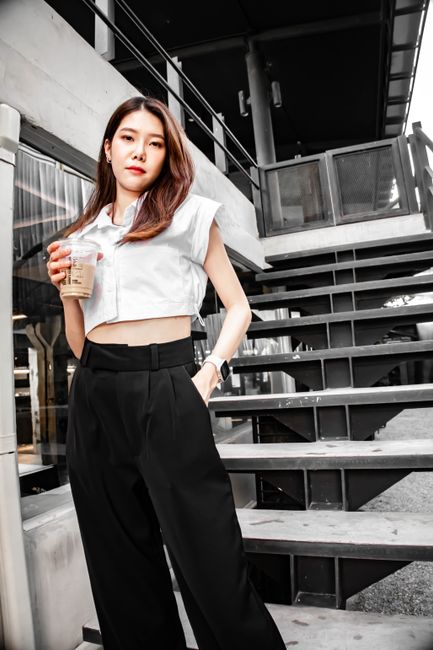
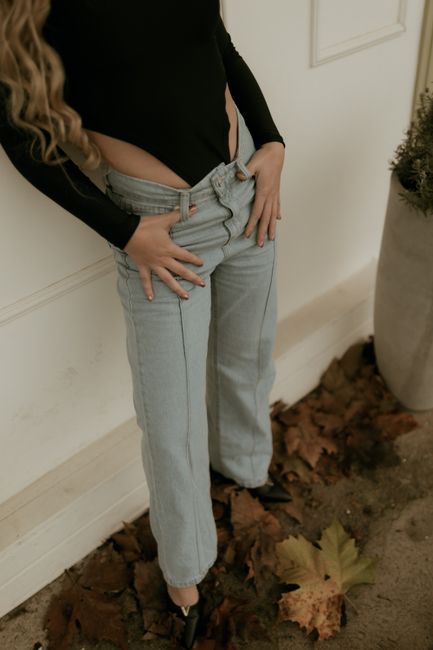
High-rise everything below the belt. The rise sets the apparent dividing line between torso and leg, and the higher that line, the more leg the eye counts. High-rise ankle pants are the petite workhorse: the elevated waistline claims the length, and the clean ankle hem ends the leg exactly where it should — no pooling, no bunching, shoe fully visible. Full-length trousers on a petite frame spend their last six inches folded over the foot, which reads sloppy in exactly the zone that matters most.
Rule 2 — Crop the top
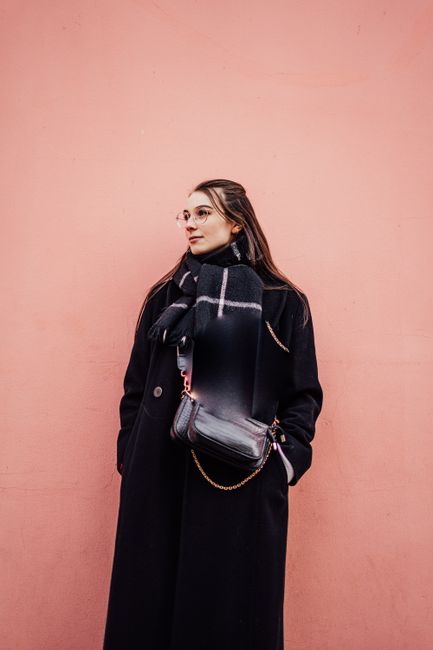
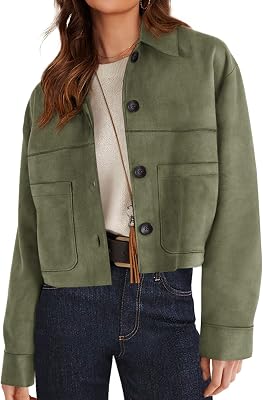
Jacket and layering hems stop at the high hip. The most flattering top-to-bottom split for a shorter frame is roughly one-third over two-thirds — and a cropped jacket manufactures that split automatically. A longline coat that ends mid-thigh cuts the body in half at an unflattering midpoint; the same outerwear cropped to the waist keeps the leg column unbroken. This is also why the French tuck works: it is a manual hem adjustment doing Rule 2's job on demand.
Rule 3 — Keep one long line
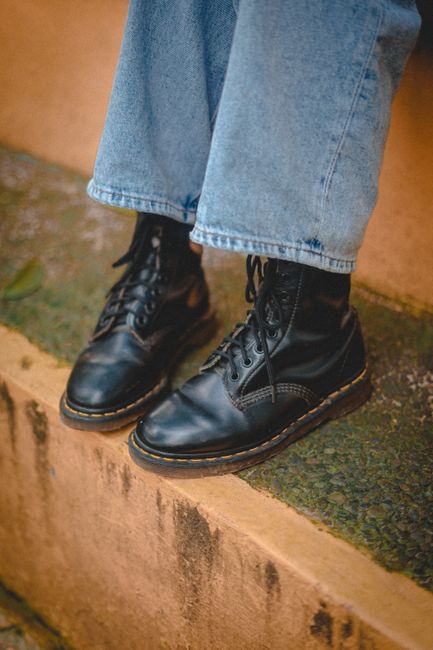
Unbroken verticals: monochrome columns, front-buttoned long layers, pointed or low-front shoes. Every horizontal interruption — a contrast belt at the wrong height, ankle straps, boot shafts at mid-calf — subtracts visual height. The highest-leverage single move: one color from knee to toe, or trousers and shoes in the same family, so the leg line runs to the floor without a seam.
What to avoid
- Mid-rise anythings. They split the frame at its least flattering line and give the leg count away.
- Head-to-toe oversized. Volume works as contrast — one oversized piece over fitted ones — not as a uniform.
- Handbag scale. A bag approaching torso size shrinks its carrier; structured mini and small crossbody formats keep proportions honest.
Measure, then buy
Two numbers eliminate most returns: natural waist (narrowest point, not where pants sit) and inseam measured on a pair that already ends correctly at the ankle. Buy trousers by inseam, not by label length; when a brand offers a petite range, the rise and knee placement were re-cut, not merely shortened — that difference is the whole game.
The one rule
Proportion beats size, every time. A high rise, a cropped layer, and one unbroken line change how long the outfit makes you look — no scale on the tag will.
As Worn in This Note
Shop the Look
As an Amazon Associate, we earn from qualifying purchases.
Price and availability are subject to change on the retailer's site.