
Davina Cross
Size-18 street-style proof. Fit rules are for rewriting.
Measure Once, Shop Online Forever
Size charts are only useful if the body on the other end has real numbers. The four measurements that matter, how to take them alone, and how to read any chart like a pro.
Your measurements are the missing dataset
Online returns are mostly fit failures, and fit failures are mostly measurement failures — guessing a size from vibes, or worse, from what fit two years ago. Brands do not share sizing standards, but bodies are stable: measure yourself once, properly, and every size chart on the internet becomes readable. The whole process takes fifteen minutes and pays for itself for years.
What you need
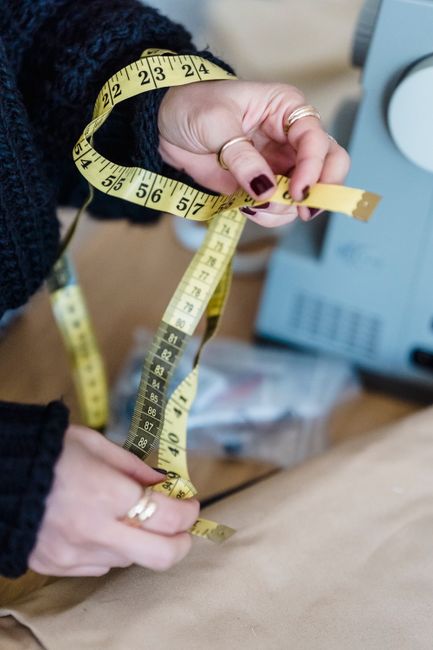
A soft measuring tape, a mirror, underwear you would actually wear under clothes, and — optional but helpful — a friend for the back measurements. Stand normally; do not inhale, do not suck in. The tape should be snug, never compressing. Write everything down in inches and centimeters, because charts disagree about units too.
The four that matter
- Bust: around the fullest part, tape parallel to the floor, arms down. Measure a bra you are actually wearing under the garment in question.
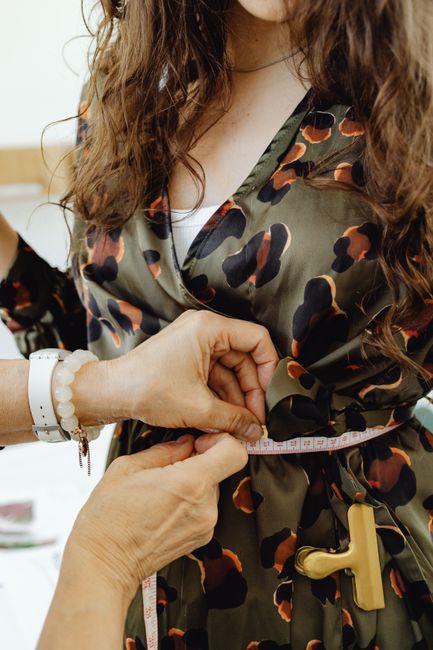
- Waist: the narrowest part of your torso, usually an inch or two above the belly button — not where your jeans sit. Bend side to side; where the body creases is the waist.
- Hips: around the fullest part, usually about eight inches below the waist, feet together. This number governs pants, jeans, and pencil skirts more than any other.
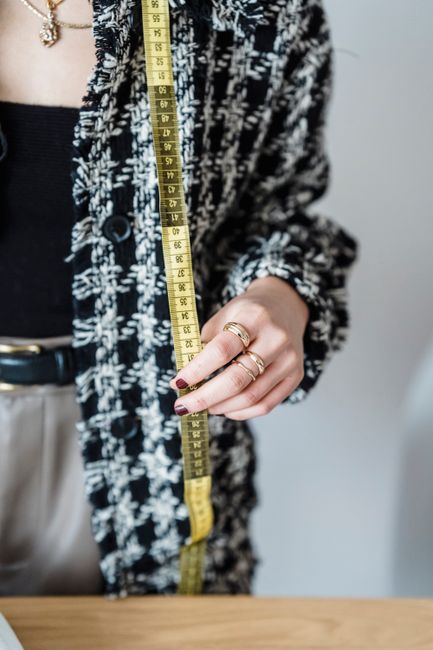
- Inseam: inner leg from crotch to the bone of the ankle, measured on a pair of pants that already fits you well, heel to the tape's end. The shortcut for buying trousers and jeans without hemming roulette.
Reading a chart like a professional
Match your numbers to the chart, then obey two rules. First, when measurements split across two sizes, buy for the larger one — taking in a garment is easy, letting out fabric that does not exist is not. Second, trust the garment's own numbers over its size name: a "M" that lists a 38-inch hip is a fact, while "medium" is a mood. For stretch denim and bodycon knits, the hip and waist measurements decide everything; for woven trousers, add ease and check the rise.
Reviews are fit data
The review section is the fastest measurement tool you own: filter for your height and usual size, and read for phrases like "runs small in the waist," "long in the body," or "true to size in the hips." Reviewers describing a body like yours are worth more than any chart — they already ran the experiment. If reviewers with wide hips consistently size up, so should you, regardless of what the chart promised.
Plus-size and tall specifics
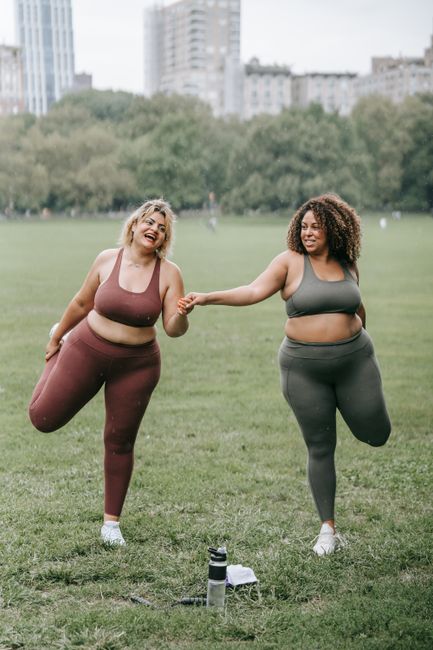
Plus-size charts list waist and hip separately for a reason: proportions, not totals, decide the fit. Check the rise (a higher rise prevents back gaps), and where reviews mention stretch at the waistband, believe them. Tall shoppers: inseam and torso length outrank everything — a body measurement set without an inseam is half a dataset.
Keep the card current
Re-measure yearly or after any real body change, and store the numbers in your phone notes. The goal is a world where "what size are you?" is a question you answer with data instead of anxiety.
The one rule
Bust, waist, hip, inseam — taken once, written down, checked against every chart, and believed over every label. Fit is not luck; it is arithmetic.
As Worn in This Note
Shop the Look
 Save 10% at checkout
BTFBM
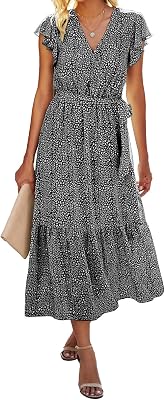
BTFBM Women Summer Casual Wrap V Neck Ruffle Cap Sleeve Belted Midi Dress | Fall Swiss Dots A-line Long Wedding Guest Dresses, Elegant Floral Boho Sundress With Pockets, Spring Beach Vacation Clothes
Eytino
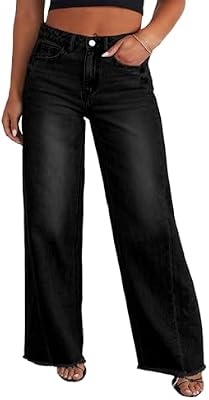
Eytino Plus Size Wide Leg Jeans for Women, Elastic High Waist with Pockets, Raw Hem Stretchy Denim Pants
As an Amazon Associate, we earn from qualifying purchases.
Price and availability are subject to change on the retailer's site.