



Colin Marsh
Reads garment labels for a living. Cotton purist, stitch skeptic.
Heavyweight or Thin? What Fabric Weight Does to a Print
Six ounces versus four and a half — a fabric-weight primer for graphic tees, and why the same print looks expensive on one and cheap on the other.
Weight is the invisible spec
Two graphic tees can share a design and sit a price tier apart, and the difference is usually something you cannot see in a product photo: fabric weight. Measured in ounces per square yard, everyday tees run around four and a half to five; heavyweight starts near six and climbs past seven. That single number changes how a print sits, how the body drapes and how many seasons the tee owns.
What weight does to the graphic
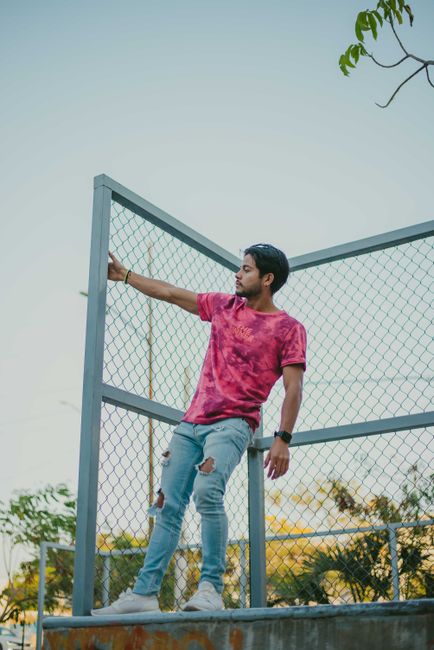
- Heavy ground, crisp print. A dense, stable knit gives large-format artwork a flat billboard to sit on. Big chest and full-front prints stay square instead of rippling with every fold of thin fabric.
- Thin ground, softer fade. Lightweight bodies make prints wrinkle with the fabric — flattering for vintage-wash and small graphics, unflattering for anything architectural.
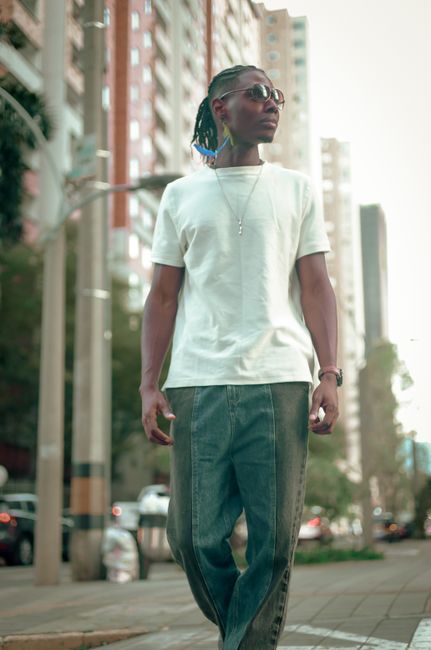
- Opacity both ways. Heavyweight cotton rarely needs a second layer to stay decent; thin bodies turn sheer under studio light, which photographs exactly as badly as it sounds.
Drape and break-in
A heavyweight tee drapes from the shoulder like a shirt-jacket hybrid — structured, boxy, substantial. It is stiff for the first handful of wears and then breaks in the way good denim does, settling into your shape. Thin tees are comfortable on day one and drift toward shapeless by year two. Neither is wrong; they are different tools. The heavyweight piece is the anchor of an autumn outfit; the thin one belongs to high summer and layering stacks.
How to buy by weight
Listings that name a weight — six ounce, two hundred GSM and up — are telling you the brand thought about it, which is itself a quality signal. Where the number is missing, look for the tells: dense knit visible in close-up photos, ribbed collar with body, and language like sturdy, structured or mid-to-heavy. And run one hand test in hand when the package arrives: a heavyweight tee should feel like it holds its own shape folded on the shelf.
The one-sentence rule
Print scale follows weight — big art wants a heavy ground, small marks live happily anywhere. Match the two and the tee looks intentional at any price.
As Worn in This Note
Shop the Look
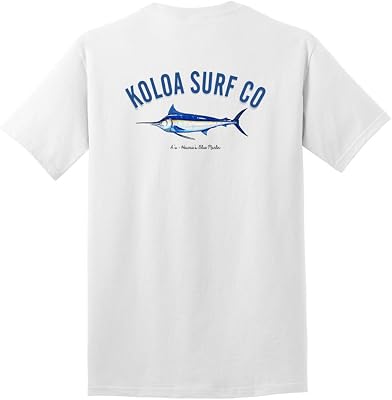
Koloa Surf Company
Koloa Surf Company Looking for Waves Logo Heavy Cotton Tee
 -23%
You pay $17.99 with coupon (some sizes/colors)
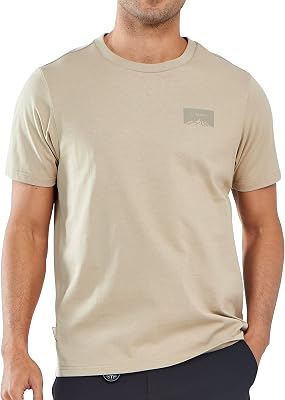
NORTHYARD
NORTHYARD Men's Heavyweight Cotton T-Shirts Casual Short Sleeve Graphic, 100% Cotton, Crew Neck
As an Amazon Associate, we earn from qualifying purchases.
Price and availability are subject to change on the retailer's site.
More Like This

One Print, Five Cities: Graphic Tees That Travel Well
 Emiko Tanabe
Real Vintage or Modern Repro? The Faded-Print Test
 Dusty Merritt

Indie Artist Tees: Small Studios, Big Prints
 Linnea Holt

Graphic Tees After Dark: The Evening Print
 Talia Mendes

Western Graphic Tees: Rodeo Prints, City-Broken
 Andre Beaumont
Plus-Size Graphic Tees: Print Scale and Drape, Solved
 Davina Cross